Story
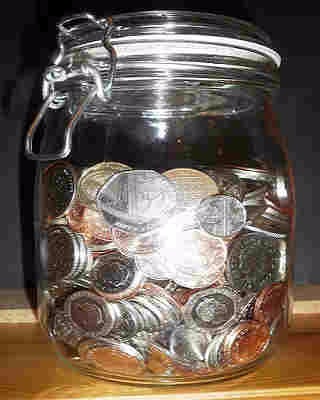
Money in Jar
A group needs to estimate the value of coins in a glass jar. All the jars contain $10 plus or minus few cents. Estimators are asked to estimate the value of coins and all estimates need to be approved by an approver.
Estimators are rewarded for high estimates. Approvers are also rewarded as percentage of estimator's estimated amount.
Now the estimators are divided in 2 groups - they differ in only aspect i.e. high estimation change is either abrupt or slow.
How likely is the approver going to reject the estimate in Abrupt or Slow group?
Photo Adaptation / Flickr / karen_roe
Share on
Previous Ten


Medical Treatment
Imagine you have an illness. There is a medical...
Ransom call for release
You are a business man. Your son, who is also...
Money Game
In this game, the player open briefcases. Each...
Save a Life
You have decided to donate $100 this week....
Shopping Centre
You visit a shopping centre. You are interested...
The evil moneylender
Your father has taken a loan from an ugly and old...
Group Housing Society
You are the president of a group housing society...
The Prize Money
Imagine yourself in a group of twelve strangers,...
The Camel
An old farmer passed away, he left seventeen...
The Coffee Mug
In an experiment, half of class is given a coffee...


Sign In to share your comments
Your Comments