Story
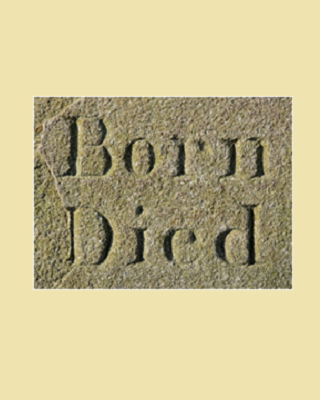
What do you want your epitaph to be?
What do you want to be known for?
A loving and caring parent, a mentor and coach, a loving partner, a trustworthy friend and boss or a person driven by bonus, money, designation, material things or family and values. What do you want to known for? Lived for himself or others?
It is your choice to pick and work for those elements which you would like to remembered for. Figure it out and find your own answers to following
• What will be my legacy ?
• What will people say on my funeral?
• What will be my biggest regret if I was to die today?
• What can I do that I am currently not doing?
• What chapters would I separate my autobiography into?
Find out for what is important for you. Figure out what you want your friends, family and the world to remember you for?
These will become your lifelong goals and values. Ensure these are ethical and then live them.
Photo Adaptation / Pixabay / madartzgraphics - 3575871/
Share on
Previous Ten


For how long would you work with our company?
Do not become excited, it is not an offer.
Stay...
How fast I need to drive now?
Assume you need to cross a forest.The distance to...
What are you most passionate about?
What are your strengths?
Do you know your...
How will you measure your life?
Clay Christensen was the professor at Harvard...
What is your (personal) moonshot?
The USA President JFK inspired the whole nation...
Which is more important: creativity or efficiency?
The interviewer wants to see your preference.
Do...
What will you do if you found ethics violation?
You should do the right thing. You will follow...
What kind of supervisor do you work best for?
The question is about your work and performance....
Tell me about a difficult period of your life
Everyone passes through difficulties. What was...
What will you do if some one takes your credit?
The interviewer needs to understand how do you...


Sign In to share your comments
Your Comments