Story
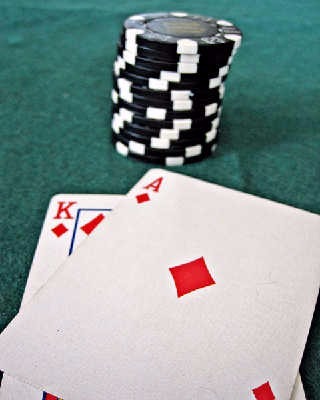
Would you play the coin flip game?
During Christmas holidays, you visit a casino with some of your friends. At one table, you come across a coin flip game. The rules are very simple for this game unlike Blackjack game.
Flip a coin, heads you win $100, tails you lose $50.
You don't like to gamble and you had also declared this before entering the casino.
What is your plan to play now?
Photo Adaptation /Flickr/59937401@N07
Share on
Previous Ten


Salary Offer
You had recently applied for a job. You wish to...
The elderly patient
An elderly patient is admitted in a hospital. His...
Guess the winning number!
A national newspaper has published a puzzle....
High cholesterol problem
The doctor has diagnosed high cholesterol in your...
The luxury car at the traffic signal
You are waiting at a traffic light, a brand new...
Resolve the fight over an orange
After a hard day of work, you reach home.
Upon...
New source of oil is discovered
A group of farmers invested their savings and...
The shipwreck survivor was lucky
A tourist goes to a Roman temple.
To impress...
Let us play a unique card game
This deck has one hundred cards with all values...
The new vaccine is in the market
Imagine that you have ten percent chance of...


Sign In to share your comments
Your Comments
1 Comment